Treatments
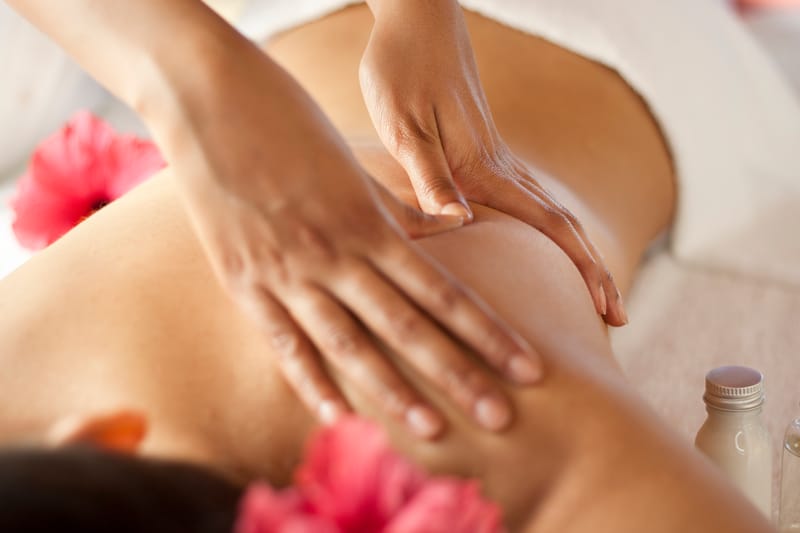
The National Center for Complementary and Alternative Medicine (NCCAM) is sponsoring studies to answer questions concerning massage treatments and identify the purposes for which massage may be most helpful.
- Massage therapy appears to have few serious risks if it is used appropriately and provided by a trained massage professional.
- Tell your health care providers about any complementary and alternative practices you use. Give them a full picture of what you do to manage your health. This will help ensure coordinated and safe care.
- According to the 2007 National Health Interview Survey, which included a comprehensive survey of CAM use by Americans, an estimated 18 million U.S. adults and 700,000 children had received massage therapy in the previous year.
- People use massage for a variety of health-related purposes, including to relieve pain, rehabilitate sports injuries, reduce stress, increase relaxation, address anxiety and depression, and aid general wellness.
- 2008 review of 13 clinical trails found evidence that massage is useful for chronic low-back pain. Clinical practice guidelines issued in 2007 by the American Pain Society and the American College of Physicians recommend that physicians consider using certain CAM therapies, including massage (as well as acupuncture, chiropractic, progressive relaxation, and yoga), when patients with chronic low-back pain do not respond to conventional treatment.
- A multi-site study of more than 300 hospice patients with advanced cancer concluded that massage may help to relieve pain and improve mood for these patients.
- A study of 64 patients with chronic neck pain found that therapeutic massage was more beneficial than a self-care book, in terms of improving function and relieving symptoms.
Treatments available:
Gua Sha promotes circulation, may improve lymphatic drainage, reduces inflammation, release stagnant energy and supports the body's natural healing processes. This can result in faster recovery from injuries and a reduction in chronic pain. Gua Sha is for tissue release in the body, not facial massage. The most common areas the tool is used on is the back, shoulders, arms, neck and legs. The treatment involves using a tool to rub against the skin in long strokes, applying enough pressure that can create body bruising.
Chi Nei Tsang – Abdominal Massage
An ancient Taoist (the philosophy and religion of Taoism, emphasizing living in harmony with the natural flow of the universe, through simplicity, compassion, and effortless action) technique focuses on releasing physical and emotional tension stored in the abdomen, vital organs, and meridians. This treatment supports detoxification and restores balance by releasing stagnant Qi (life force) through deep yet gentle abdominal massage, combined with targeted acupressure along the body’s energy pathways.
When our gastrointestinal system is not functioning optimally, it can lead to a variety of issues both physical and mental. Chi Nei Tsang (CNT) can help to restore balance and harmony within the body by promoting better function of the enteric nervous system. The practice aims to cleanse the body of toxins and negative emotions so that chi can flow freely and the organs can function optimally.
One of the primary benefits of CNT is its ability to reduce stress. This type of massage therapy helps to release tension from the body and promote relaxation. By relieving stress, CNT can also help to improve mood and increase energy levels.